

CONTOUR

Loading

Dark Verion
  • Dark Mode
  • Light Mode
Confident Contour consultant in a striped suit, smiling indoors

Organisational Development

Organizational Development is a science based on the practice of planned, systemic change in the beliefs, attitudes and values of employees for individual and company growth. The purpose of OD is to enable organizations to become more effective, to better respond and adapt to industry and market changes and technological advances. At Contour we deliver OD interventions through a series of seven steps: contracting, diagnostics, data collection and analysis, feedback, designing interventions, leading and managing change, and evaluation of the success of the intervention.

Our range of OD interventions

  • Utility Management
    As part of our institutional development framework, Contour has invested considerable time into supporting the water sector in Uganda. We work with utilities to ensure that water supply services are reliable, efficient and sustainable — supporting utilities to realize business continuity through process efficiency and sustainable use of resources, and growing utilities by making them team literate. We support utilities to be future fit: preparing staff for change, developing communication protocols, customer engagement on social media and other emergent platforms, and advancing leadership through team coaching. Our teams have considerable expertise in energy and water utilities, supporting both big and small utilities seamlessly — from strategy to operational support as well as management of risk.
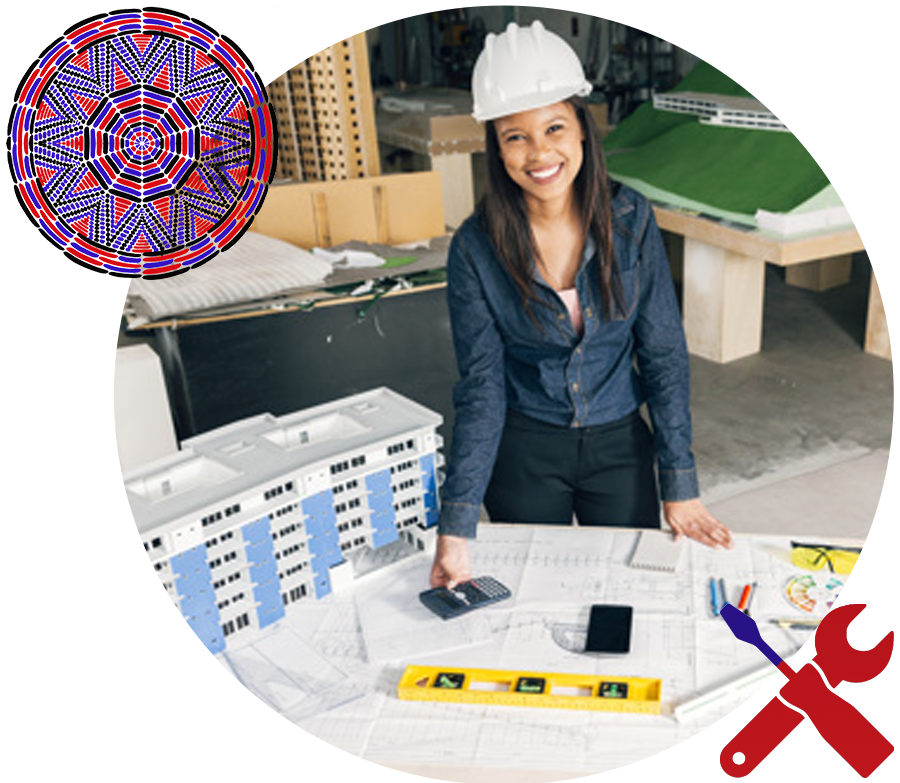
    Utility Management
  • Organisational Design
    Organizational design is a systematic process of identifying dysfunctional elements in the organisation — processes, work flows, procedures, structures and systems — and realigning them to fit current business realities and goals, then developing plans to implement the new changes. It focuses on improving the relationship between the core business, people and technology. The aim is to improve organisational effectiveness and efficiency, internal operations, business expansion and consequently the bottom line. Our approach involves conducting organisational assessment to confirm effectiveness and adaptability to the external environment, planning the design process, designing the new organization — organisation principle, core business alignment, enabling structures, resource allocation — and finally execution. Post-design support is offered through assessment of the new design over time.
    Organisational Design
  • Team Coaching
    Contour carries out Team Coaching for business entities. We are coaches precisely because we recognize that change is best supported through a relationship over time. Team Coaching is a product of the Enterprise Risk Management of Contour that aims to ensure a team improves its performance, functioning, well-being, engagement and development in order to sustain and preserve stakeholder value. Our coaching services include creating high value teams — assisting the Team Leader to diagnose the health of the team and collaboratively curating solutions that ensure team effectiveness for business continuity and sustainability. We conduct Team Coaching Sessions with the team holistically so the team can achieve its purpose, and we coach the Team Leader to become a Team Coach themselves — especially useful for new Team Leaders.
    Team Coaching
  • Human Resource Process Interventions
    Human process interventions relate to interpersonal relations, group and organizational dynamics. Individual interventions focus on the individual and are aimed at improving communication with others — the individual is coached to change counter-productive behavior. Group interventions are aimed at the process, content or structure of the group. Third-party interventions empower people to deal with conflicts productively. Organizational confrontation meetings identify problems, set priorities and action targets, and begin working on identified problems organization-wide. Intergroup relations interventions diagnose and understand intergroup relations, while large-group interventions bring a large number of organization members and stakeholders together to resolve organization-wide problems, design new approaches to structuring and managing the firm, or propose future directions of the organization.
    Human Resource Process Interventions